
Introduction
The Thunderous Silence of the Gentle Giant: Don Williams' Final Gift to a Noisy World (2016)
They tell young artists the same thing over and over: if you want to be remembered, you have to be louder than the room. Bigger lights. Faster tempos. More motion. More spectacle.
Don Williams never believed that.
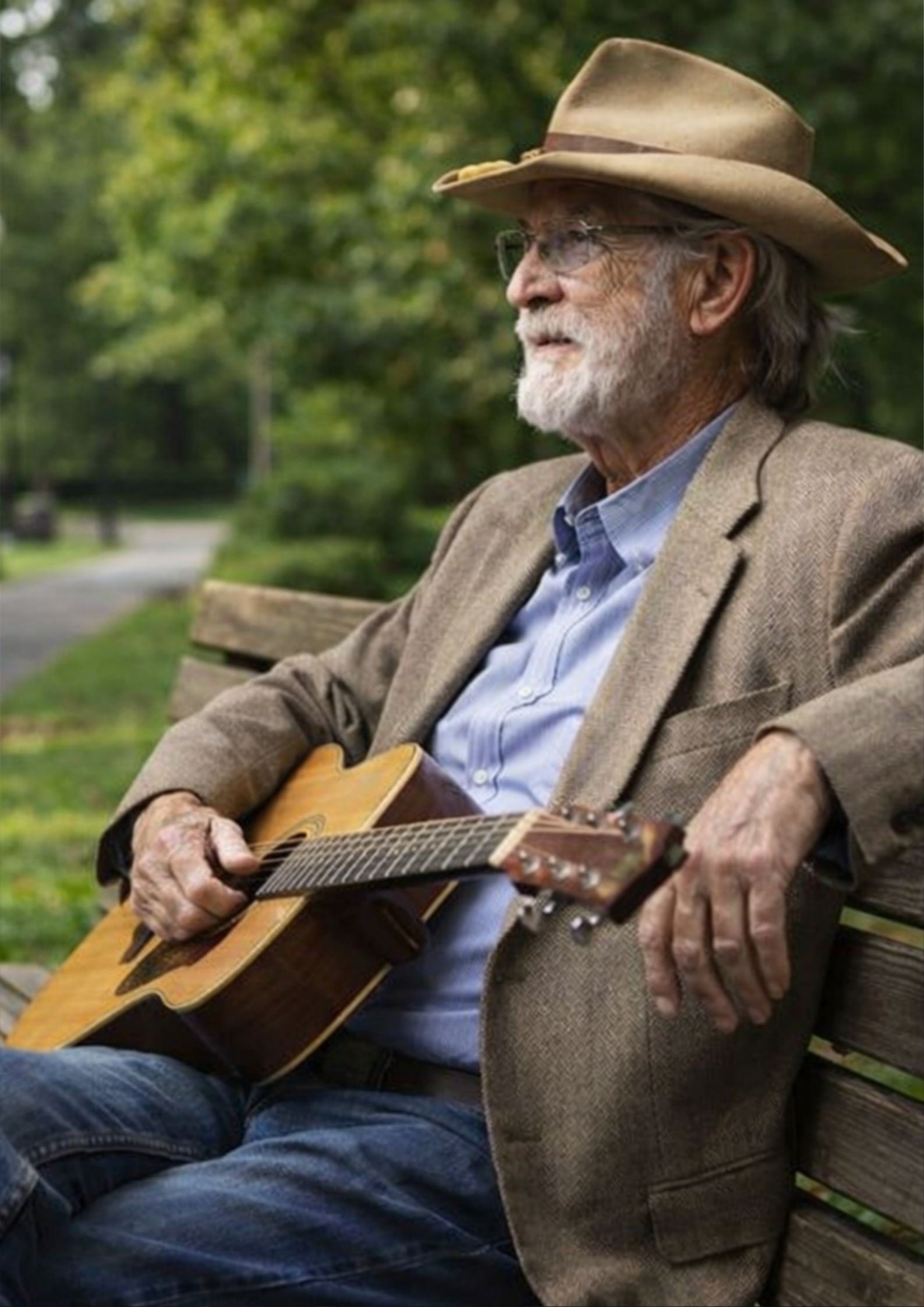
In 2016, in what would become the final moments of his performing life, the "Gentle Giant" of country music walked onto a stage that looked almost unfinished by modern standards. No fireworks. No dancers. No screens shouting for attention. Just a stool, an old guitar, and a wide-brimmed hat pulled low enough to cast his eyes in shadow.
And that was the point.
Because the moment Don Williams sat down, something rare happened in an arena filled with thousands: the noise stopped. Not gradually. Not politely. It dropped away as if the crowd had collectively decided that silence was the only respectful response to a voice like his.
You could feel it—the strange power of a room holding its breath.
Don didn't command attention by force. He earned it by presence. He didn't move like someone trying to "work" a crowd. He moved like a man who had spent decades learning the quiet strength of restraint. Under the calm was a body worn by miles, late nights, and the long discipline of touring. But the voice—that voice—still arrived like warmth.
It wasn't flashy. It didn't reach for drama. It simply landed, steady and human, like hot coffee on a winter morning. A voice that didn't just sing a lyric—it offered it.
And that's why older listeners—people who know the difference between performance and truth—have always clung to Don Williams. His music didn't beg to be loved. It stood there and waited, certain that the right hearts would recognize it.
When "Good Ole Boys Like Me" turned into a mirror
Then came the moment many in the building would carry home like a private photograph: "Good Ole Boys Like Me."
If you've lived long enough to understand what that song really holds—memory, pride, regret, tenderness, and the quiet ache of time—then you know it isn't just a hit. It's a confession wrapped in melody.
Don sang it the way he always did: without decoration. No unnecessary riffs. No emotional overstatement. Just the story.
But the effect was immediate. You could see it in the faces close to the stage and in the people high in the rafters. Men with weathered hands and stiff shoulders blinked harder than they meant to. Women pressed fingers to their lips as if to keep a trembling emotion from escaping too soon.
It wasn't the kind of crying that announces itself. It was the kind that tries to hide—because some folks were raised to believe tears should be private.
Don didn't sing at the crowd. He sang as though each person were sitting alone in a kitchen at midnight, listening to a radio, trying to make sense of the years that went by faster than expected.
In that moment, an arena didn't feel like an arena. It felt like a sanctuary.
The goodbye that hit harder than noise
And then, almost unbelievably, it ended the way a Don Williams moment always ended: simply.
There was no dramatic farewell speech. No grand "final bow" meant for headlines. He rose slowly, as if honoring the weight of everything he'd given over a lifetime. He tipped his hat with the same gentle dignity that had defined him from the beginning.
And then he said the words that landed like a stone dropped into still water:
"Thank you."
Not shouted. Not stretched out for effect. Just spoken, like a man who meant it.
For some in that room, that quiet "thank you" hit harder than any rock concert explosion ever could—because it wasn't a performance trick. It was a human being, acknowledging other human beings, with sincerity and grace.
Don Williams left the stage the way he arrived in the world of music: not chasing the spotlight, not wrestling for attention, not trying to prove anything.
He left an empty stool behind.
But the warmth stayed.
Even after the lights came up. Even after people filed out into parking lots and night air. Even after the last car pulled away.
Because certain voices don't disappear when the song ends. They settle into you—like a memory, like a prayer, like a hand on your shoulder—reminding you that gentleness can be powerful enough to silence a thousand people at once.